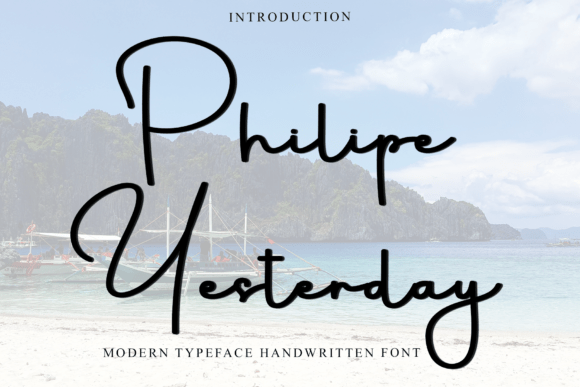
Fhilipe Yesterday: A Festive Script Font for Editorial Design
Fhilipe Yesterday is a distinctive Script Handwritten typeface that brings a sense of warmth and celebration to digital and print layouts. For publishers, bloggers, and editorial designers, selecting the right Fonts is not merely about aesthetics; it is about establishing a visual voice that resonates with the reader. This particular typeface stands out because it captures the spirit of the holiday season while maintaining the versatility needed for year-round creative projects. Its decorative elements and whimsical flair add a touch of enchantment to designs, making it an ideal choice for content creators who wish to evoke emotion and engagement through typography.
Using Fhilipe Yesterday for Holiday Magazine Covers and Seasonal Headers
When designing seasonal publications, the cover is your primary tool for capturing attention. Fhilipe Yesterday excels in this role as a display font that commands presence without overwhelming the layout. As a Script Handwritten style, it offers the organic feel of hand-lettering, which appeals to readers looking for authenticity and charm. Among the vast array of available Fonts, this typeface distinguishes itself by balancing festive energy with legible structure. Editors can use it for main titles on Christmas newsletters, winter lifestyle magazines, or New Year’s greeting cards. The decorative swashes inherent in the design allow for creative cropping and layering, enabling designers to create dynamic compositions that feel both modern and nostalgic. By integrating this font into your seasonal branding, you ensure that your publication stands out in crowded social media feeds and email inboxes.
Enhancing Reader Engagement with Whimsical Pull Quotes and Section Breaks
In long-form content such as ebooks, guides, and detailed blog posts, visual hierarchy is crucial for maintaining reader interest. Fhilipe Yesterday serves as an excellent tool for breaking up text-heavy pages. When used for pull quotes or chapter openers, this Script Handwritten font adds a rhythmic pause that encourages the eye to rest and reflect. Unlike standard serif or sans serif options, these Fonts inject personality into otherwise neutral layouts. For instance, in a cozy winter recipe ebook, using this typeface for ingredient highlights or chef’s notes can make the content feel more personal and inviting. The whimsical flair of the letterforms creates a conversational tone, suggesting that the author is speaking directly to the reader. This emotional connection is vital for content creators aiming to build loyalty and trust with their audience.
Pairing Fhilipe Yesterday with Serif and Sans Serif Fonts for Balanced Layouts
Effective editorial design relies heavily on contrast and harmony between different typefaces. Fhilipe Yesterday pairs beautifully with clean, readable body fonts to create a professional yet approachable aesthetic. When combining this Script Handwritten display font with other Fonts, consider using a classic serif for body copy to maintain a traditional, literary feel, or a geometric sans serif for a modern, minimalist look. For example, in a wedding guide or a lifestyle blog, pairing this script with a light sans serif for captions and navigation ensures that the decorative elements of the headline do not compete with the informational text. This balance is essential for readability, especially on mobile devices where screen real estate is limited. By carefully selecting complementary typefaces, designers can enhance the overall clarity of their publications while leveraging the unique character of Fhilipe Yesterday for emphasis and branding.
Applying Fhilipe Yesterday in Digital Products and Printable Planners
Digital product creators, including those who sell planners, worksheets, and printable guides, benefit significantly from using distinctive typography. Fhilipe Yesterday adds perceived value to these items by giving them a bespoke, handcrafted appearance. As a Script Handwritten option among many commercial Fonts, it is particularly suited for headers in coaching workbooks, journal prompts, and checklist titles. The festive and merry nature of the typeface makes it ideal for holiday-themed planners or end-of-year review templates. Users appreciate the attention to detail that such decorative elements bring, as it transforms a simple PDF into a visually appealing asset. Furthermore, when exporting these designs for print, the robust strokes of the font ensure that the details remain crisp and clear, avoiding the pixelation issues common with thinner script fonts. This reliability makes it a safe and effective choice for high-volume digital downloads.
Optimizing Fhilipe Yesterday for Social Media Graphics and Newsletter Branding
In the fast-paced world of social media and email marketing, instant recognition is key. Fhilipe Yesterday helps establish a consistent brand identity across various platforms. Whether used in Instagram story headers, Pinterest pins, or newsletter subject lines, this Script Handwritten font creates a cohesive visual language. Many successful content creators rely on specific Fonts to signal their brand personality before a single word is read. The enchanting quality of this typeface works well for brands focused on lifestyle, wellness, hospitality, and creative arts. When designing quote graphics or promotional banners, the whimsical flair of the letters draws the eye and encourages shares. Additionally, because the font captures the spirit of celebration, it is particularly effective for announcing sales, launches, and special events. Consistent use of this typeface across all touchpoints reinforces brand recall and fosters a sense of community among followers.
Considering Licensing and Commercial Use for Professional Projects
Before integrating any new typeface into your workflow, it is essential to understand the licensing terms. Fhilipe Yesterday is designed for professional use, making it suitable for client projects, commercial ebooks, and paid newsletters. As with all premium Script Handwritten Fonts, ensuring you have the appropriate commercial license protects both the designer and the client from legal issues. This is particularly important for agencies and freelancers who create assets for multiple stakeholders. By investing in properly licensed fonts, you support the typographers who create these valuable design assets and ensure access to high-quality files with full character sets, including alternates and ligatures. Checking for multilingual support and additional stylistic sets can also expand the utility of the font, allowing for greater creativity in diverse editorial contexts. Always verify the specific usage rights for web embedding, app integration, and print runs to ensure compliance and optimal performance across all media.